
Root Canal in Orange Park, FL
At Orange Blossom Dentistry, we understand that tooth pain can disrupt your life.
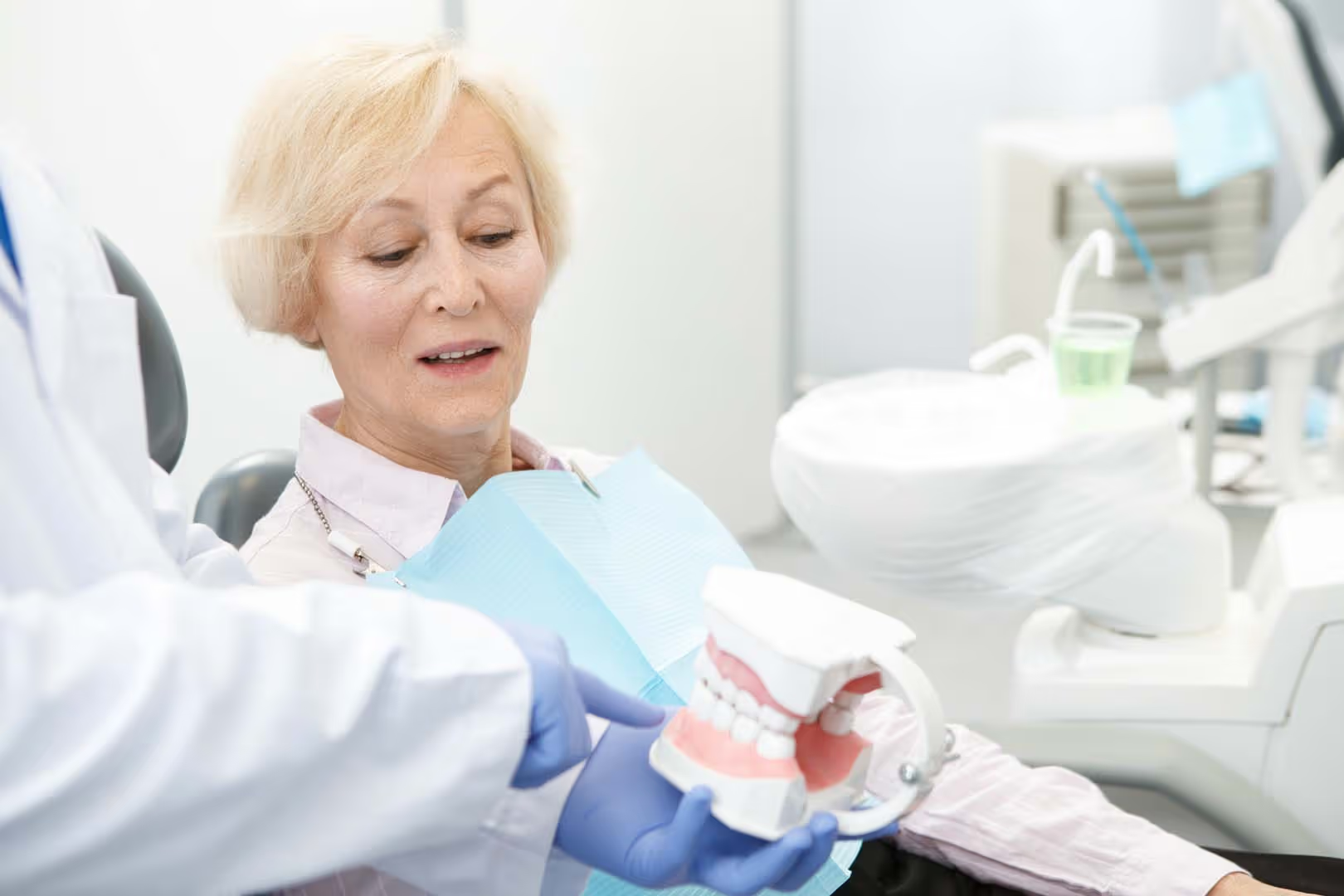
If your dentist has told you that you need a root canal, the best thing to know right away is this: the procedure is not the painful experience most people imagine. Root canal therapy is a routine restorative treatment designed to save a tooth that has been damaged by infection or decay, and in most cases, it relieves the pain rather than causing it.
When a tooth’s inner pulp becomes infected or inflamed, the result is often significant discomfort, sensitivity to temperature, or swelling. Restorative dentistry addresses these kinds of problems by treating the tooth from within, and root canal therapy is one of the most effective ways to do it. Catching the issue early and treating it properly gives the tooth its best chance at lasting for many more years.
What Happens During Root Canal Therapy
Root canal therapy clears the infected or damaged pulp from inside the tooth. Once the pulp is cleared, the canals are cleansed, shaped, and sealed to prevent bacteria from re-entering. A crown is positioned over the tooth afterward to restore its strength and function.
The procedure is performed under local anesthesia. Most patients report the experience as no more uncomfortable than a standard filling. For those with anxiety, sedation dentistry is an option that can make the process even more manageable, allowing patients to stay calm and relaxed throughout treatment.
Signs You May Need a Root Canal
Not every infected tooth announces itself with intense pain. Some of the more common indicators that root canal therapy may be necessary include:
- Persistent or throbbing toothache, especially when biting or applying pressure
- Prolonged sensitivity to hot or cold temperatures
- Darkening of the tooth
- Swelling or tenderness in the nearby gums
- A recurring pimple-like bump on the gums
It’s worth noting that some teeth requiring root canal treatment show no pain at all. That’s why regular exams and X-rays matter; they allow a dentist to identify problems before they become severe. Dental cleanings and exams are the front line of catching these issues early.
Why Saving Your Natural Tooth Matters
Tooth extraction may seem like an easier fix, but it comes with long-term consequences. Once a tooth is taken out, the surrounding bone begins to deteriorate, and adjacent teeth can shift over time. Replacing an extracted tooth with a bridge or implant requires additional time and treatment, and nothing fully replicates the function and feel of a natural tooth.
According to the American Association of Endodontists, endodontic treatment has a high success rate, and many root canal-treated teeth last a lifetime. Replacing an extracted tooth with a bridge or implant requires more time in treatment and may result in further procedures to neighboring teeth and supporting tissue. Root canal therapy, when completed and restored properly, keeps your original tooth in place and functioning as it should. American Association of Endodontists
For patients who have already lost a tooth, dental implants remain an excellent restorative option, but saving the natural tooth is always worth pursuing first.
What to Expect After Treatment
Some mild soreness in the days following root canal therapy is normal and typically manageable with over-the-counter pain relievers. Most patients return to their regular routines the next day. Once the permanent crown is placed, the tooth should feel and function like any other tooth in your mouth.
Long-term success depends largely on keeping up with routine dental care. The restored tooth needs the same attention as your other teeth: brushing, flossing, and regular professional cleanings.
FAQs About Root Canal Therapy
Is A Root Canal Painful?
With modern techniques and local anesthesia, most patients report little to no pain during the procedure. In fact, root canal therapy relieves the pain caused by infection.
How Long Does Recovery Take?
Most patients return to normal activities the next day. You may have mild tenderness for a few days, which is easily managed with over-the-counter pain relievers.
Will I Need A Crown Afterward?
In most cases, yes. A dental crown restores strength and protects the tooth from future damage.
Can I Avoid A Root Canal With Antibiotics?
Antibiotics may temporarily reduce symptoms, but they do not eliminate infection inside the tooth. A root canal is necessary to fully resolve the issue and prevent it from spreading.
How Long Will A Root Canal Last?
With proper care and restoration, a treated tooth can last a lifetime. Routine cleanings and daily hygiene play an important role in maintaining long-term success.
Choose Orange Blossom Dentistry for Root Canal Therapy in Orange Park
At Orange Blossom Dentistry, Dr. Jessica Nixon and Dr. Ryan Garske bring a thorough and gentle approach to every procedure, including root canal therapy. Both earned their dental degrees from the University of Maryland School of Dentistry and are committed to patient education and preventive care. Their practice has been a trusted part of the Orange Park community for over 40 years, and patients continue returning year after year because of the consistency, quality, and genuine care they receive. You’ll see the same familiar faces at every visit, no revolving door of staff or dentists.
Whether you’re experiencing tooth pain or were referred for treatment following a routine exam, Orange Blossom Dentistry provides the kind of attentive, personalized care that takes the fear out of root canals. Contact our office to schedule your appointment and get the relief you need.
Contact us to schedule