
Oral Hygiene Aids in Orange Park, FL
Maintaining a healthy, vibrant smile starts with proper oral hygiene
Most people know they should brush and floss regularly, but knowing and doing are two very different things. Without the right tools in hand, even the most motivated patients can struggle to remove plaque effectively, protect their gums, and keep their smiles healthy between appointments. Choosing the wrong toothbrush, skipping interdental cleaning, or relying on a mouthwash that does more marketing than protecting are all common missteps that can quietly undermine your oral health over time.
At Orange Blossom Dentistry in Orange Park, Dr. Jessica Nixon and Dr. Ryan Garske take a personalized approach to helping every patient build a home care routine that actually works for their smile. As a family-owned practice with deep roots in the community, they understand that one set of recommendations does not fit every mouth. Whether you are a parent building habits for your children, an adult managing sensitivity or gum concerns, or a patient navigating orthodontic treatment, Dr. Nixon and Dr. Garske will walk you through the tools that make the most difference for your specific needs. To learn more about the full range of preventive services available at the practice, visit our general dentistry page.
Why Oral Hygiene Aids Matter
Good oral health supports far more than a clean smile. According to the National Institute of Dental and Craniofacial Research, protecting your oral health with consistent brushing and flossing can help you keep your teeth for a lifetime. Plaque, the sticky film of bacteria that forms on teeth, is the root cause of both tooth decay and gum disease. Left unchecked, it hardens into tartar that professional cleanings are required to remove.
The right oral hygiene aids make it significantly easier to eliminate plaque before it causes damage. But the dental care aisle at most stores is overwhelming. There are dozens of toothbrush styles, floss types, rinse formulas, and irrigator options, each marketed differently and suited to different needs. That is exactly why a personalized recommendation from your dentist is so valuable.
Toothbrushes: Manual and Electric
Toothbrushes are the foundation of any at-home care routine. Both manual and electric options can be effective, but how you use them matters just as much as which type you choose.
| Manual Toothbrush | Electric Toothbrush | |
|---|---|---|
| Bristle type | Soft-bristled, ADA-approved size | Oscillating or sonic head |
| Plaque removal | Effective with correct technique | Superior — requires less effort |
| Best for | Patients with good brushing habits | Dexterity challenges, orthodontic patients |
| Replace every | 3 months | 3 months (brush head) |
| Technique | 45-degree angle, circular motion, 2 min | Guide gently — motor does the work |
Dr. Nixon and Dr. Garske can help you determine whether switching to an electric option makes sense based on your current oral health status and brushing habits.
Floss, Interdental Brushes, and Water Flossers
Brushing only cleans the surfaces of your teeth. The spaces between teeth and just below the gum line require dedicated interdental cleaning every day. Options include traditional string floss, floss picks, interdental brushes, and water flossers.
Standard dental floss remains one of the most effective tools for removing plaque from tight contact points. Use about 18 inches, wind most of it around your middle fingers, and use a clean section for each tooth. Form a C shape around the tooth and move the floss gently up and down along the side.
Interdental brushes are small, tapered brushes that slide between teeth and are particularly helpful for patients with wider spaces, dental bridges, or gum recession. Water flossers, such as the Waterpik, spray a pressurized stream of water to flush debris from below the gum line and are an excellent companion tool for patients with braces, implants, or periodontal concerns. Water flossers supplement traditional flossing rather than replace it. Your provider will recommend the combination that best fits your anatomy and treatment history.
Mouthwash and Rinses
Not all mouthwashes offer the same benefits. Over-the-counter cosmetic rinses primarily freshen breath on a temporary basis, with limited impact on plaque. Therapeutic mouthwashes, which are regulated by the FDA, contain active ingredients that can reduce harmful bacteria, lower the risk of gingivitis, and provide fluoride protection.
For most patients, the right rinse is an ADA-accepted antibacterial or fluoride formula used after brushing. Patients managing dry mouth should look for alcohol-free options. Patients with active gum disease may benefit from a prescription-strength rinse, which Dr. Nixon or Dr. Garske can recommend as part of a comprehensive periodontal care plan. To learn more about how gum health is managed at Orange Blossom Dentistry, visit our periodontics page.
Who Benefits From Personalized Oral Hygiene Guidance
Every patient’s mouth is different, and the right combination of oral hygiene aids depends on your individual situation. Some of the patients who benefit most from a tailored recommendation include:
Whether your family is starting from scratch or looking to improve an existing routine, the team at Orange Blossom Dentistry is ready to help. Learn more about pediatric care at our pediatric dentistry page, or about routine preventive visits at our dental cleanings and exams page.
How Dr. Nixon and Dr. Garske Approach Oral Hygiene Education
Orange Blossom Dentistry is a two-doctor practice where Dr. Nixon and Dr. Garske are the only providers. That means every patient sees the same familiar faces at every appointment, and every recommendation comes directly from the dentists who know your chart. There is no rotating staff cycling through without context of your history.
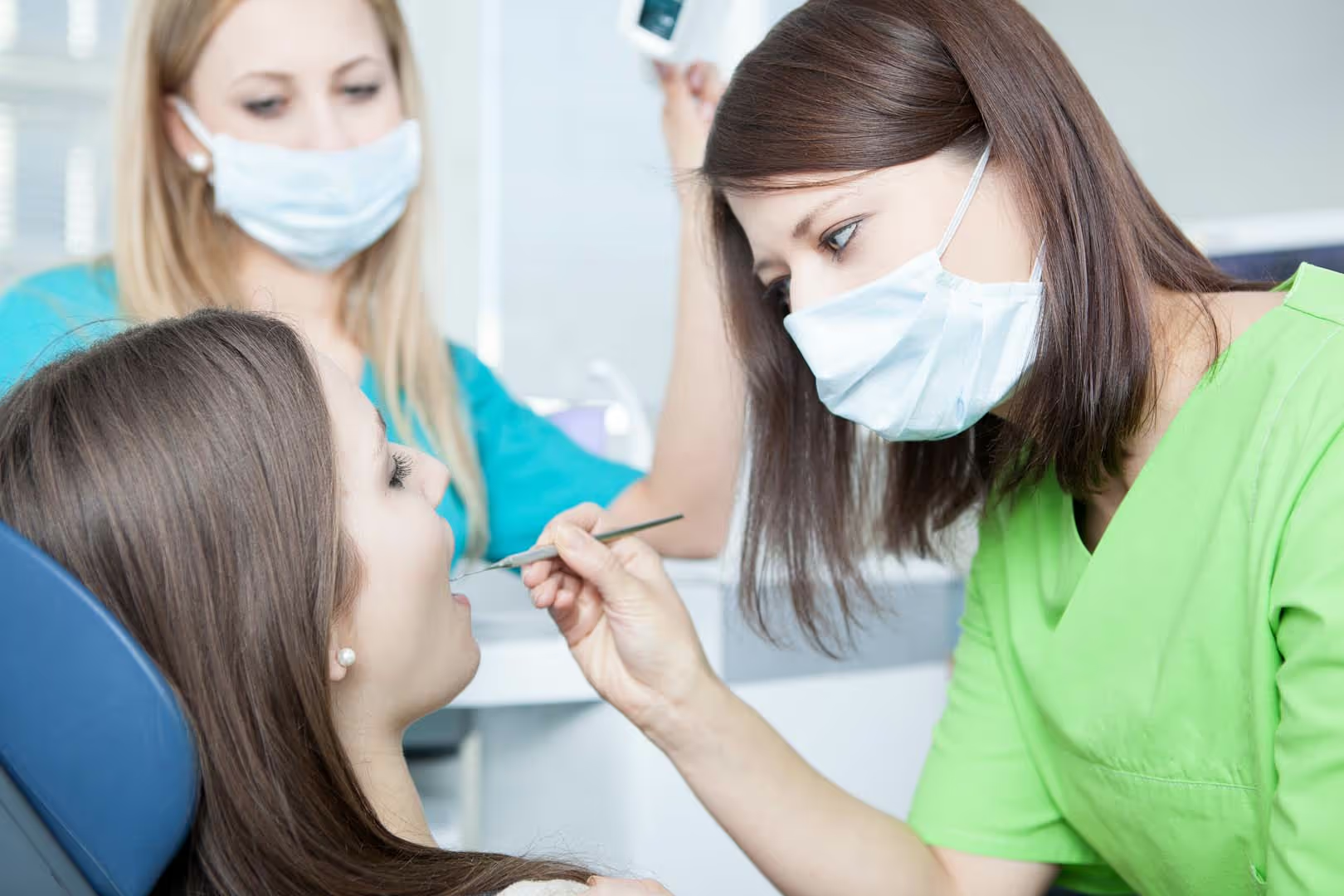
During your appointment, Dr. Nixon or Dr. Garske will evaluate your oral health and take the time to discuss your daily routine, flag any areas of concern, and make specific product recommendations based on what they observe. If your gums are responding poorly to your current flossing method, they will show you an alternative. If your enamel shows signs of wear, they may suggest a prescription toothpaste. Patients who have been coming to this practice for decades know that this level of attentive, unhurried care is a defining part of what Orange Blossom Dentistry is.
Our reviews
FAQs About Oral Hygiene Aids
Do I Need An Electric Toothbrush?
Electric toothbrushes can improve plaque removal and brushing consistency, but a manual toothbrush can also be effective when used properly.
Are Water Flossers Better Than Traditional Floss?
Water flossers are a great alternative, especially for patients with braces or sensitive gums. Traditional floss remains highly effective for many people.
How Do I Know Which Oral Hygiene Tools Are Right For Me?
The best way is through a professional evaluation. We’ll assess your oral health and recommend tools based on your specific needs.
Can Oral Hygiene Aids Help Prevent Gum Disease?
Yes, using the right tools consistently can significantly reduce plaque buildup and help protect your gums.
How Often Should I Replace My Toothbrush?
You should replace your toothbrush or brush head every three to four months, or sooner if the bristles become worn.
Schedule Your Visit at Orange Blossom Dentistry
The tools in your medicine cabinet are only as effective as the guidance behind them. At Orange Blossom Dentistry, Dr. Nixon and Dr. Garske help families across Orange Park, Fleming Island, and Middleburg build home care routines that complement the professional work done in the chair. Whether you are due for a cleaning or have specific questions about upgrading your daily routine, the team is ready to help.
Reach out through our contact form or call the office at 904-264-6500 to schedule your appointment today.
Contact us to schedule