


Gum Disease Treatment in Orange Park, FL
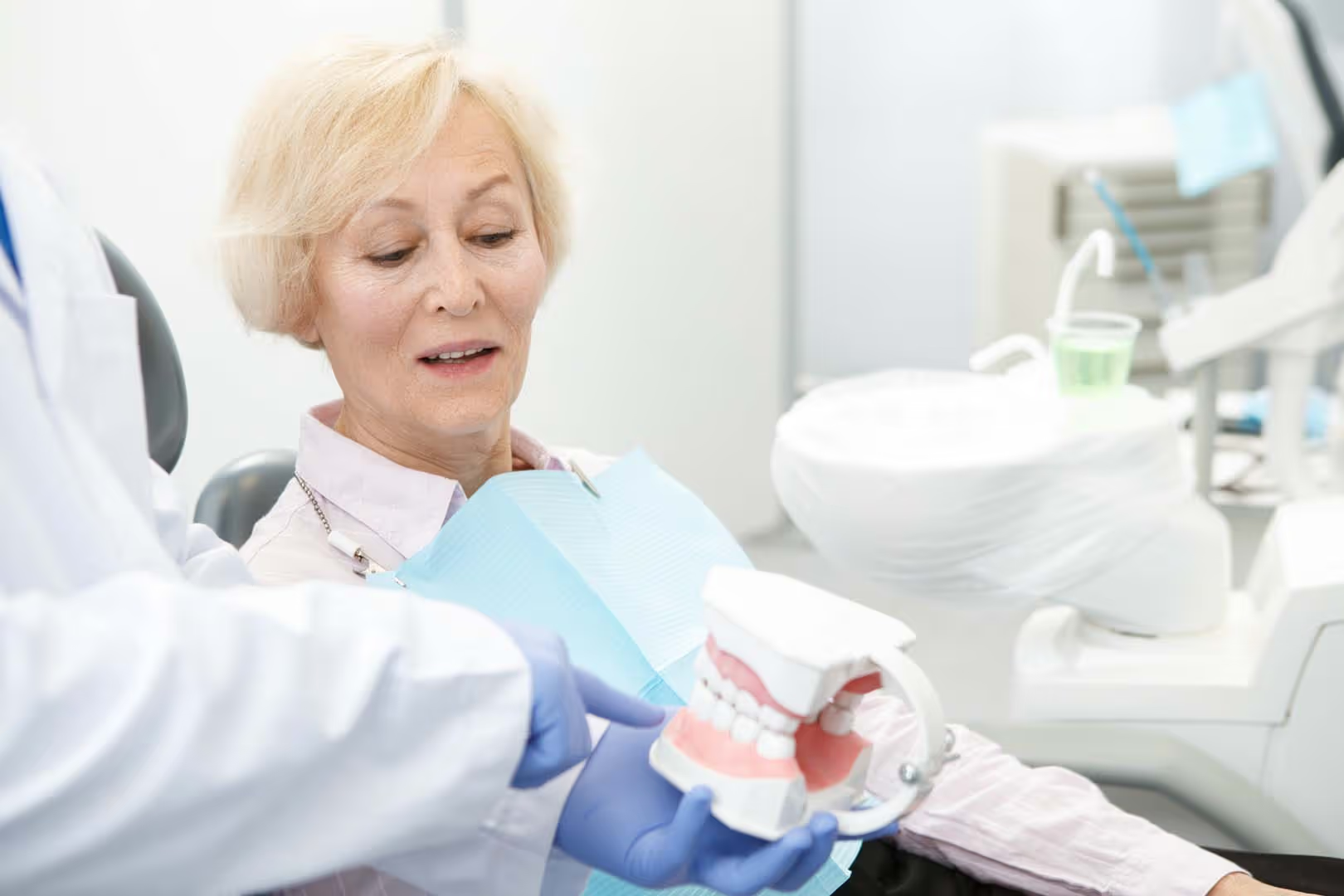
Your gums are the foundation everything else in your smile depends on, and when they start to break down, the effects can reach well beyond your mouth. Gum disease is one of the most common oral health conditions among adults, yet it frequently goes unaddressed because the early symptoms are easy to dismiss. Bleeding when you brush, persistent bad breath, or gums that look like they are pulling away from your teeth are not normal. They are warning signs that something is happening beneath the surface.
At Orange Blossom Dentistry, Dr. Jessica Nixon and Dr. Ryan Garske take a thorough, patient-centered approach to restorative dentistry that starts with protecting the tissue holding your teeth in place. Whether you are dealing with early-stage gingivitis or a more advanced case of periodontitis, our team will help you understand exactly what is happening and what your options are. Patients from Orange Park, Fleming Island, and Middleburg trust us with their gum health because we take the time to get it right.
Signs and Symptoms to Watch For
Gum disease can develop quietly, which is why regular checkups matter. These are the most common warning signs:
If any of these sound familiar, an evaluation sooner rather than later can make a meaningful difference in the outcome.
Understanding the Stages of Gum Disease
Not all gum disease looks the same. The most important distinction is whether the damage is still reversible.
| Gingivitis | Periodontitis | |
|---|---|---|
| Stage | Early / Stage 1 | Advanced / Stage 2–4 |
| Bone & Tissue Damage | None — fully reversible | Bone & connective tissue loss — manageable, not reversible |
| Common Symptoms | Bleeding gums, redness, mild swelling | Recession, pockets, loose teeth, bone loss |
| Treatment Goal | Reverse the infection entirely | Halt progression and maintain stability |
| Urgency | Treat soon to avoid progression | Treat promptly — bone loss cannot be undone |
According to the Centers for Disease Control and Prevention, periodontal disease is a leading cause of tooth loss among adults. Early intervention is the best way to avoid that outcome.
How We Treat Gum Disease
Our approach is matched to the stage and severity of what we find. Treatment typically follows a clear sequence:
Ongoing Maintenance After Treatment
Periodontal disease requires ongoing management, not a one-time fix. Once active treatment is complete, most patients move to a periodontal maintenance schedule — typically every three to four months. These visits allow us to monitor your gum health closely, remove bacteria from below the gumline before it can cause new damage, and catch any early signs of recurrence. Consistent follow-through with maintenance care is one of the most important factors in long-term success.
The Connection Between Gum Health and Your Overall Health
Gum disease does not stay in your mouth. Research has established associations between advanced periodontal disease and several serious systemic conditions:
Treating gum disease early is an investment in your broader health, not just your smile.
Gum Health and Dental Implants
Healthy gum tissue and adequate bone support are prerequisites for dental implants. If you are missing teeth and considering implants, addressing any active gum disease before placement is essential. Implants placed in compromised tissue are at significantly higher risk for failure. Our team evaluates gum health thoroughly during implant consultations and will guide you through any necessary treatment first.
Advanced Technology Supporting Your Care
Our technology supports more precise diagnosis and more comfortable treatment at every stage. Digital radiographs allow us to detect bone loss and track changes over time. The diode laser enhances bacterial reduction during periodontal procedures and is particularly effective for patients with deeper pockets. Intraoral cameras give both you and our team a clear, real-time view of what is happening in your mouth, so nothing is missed and nothing goes unexplained.
FAQs About Gum Disease Treatment
What Is Gum Disease Treatment?
What Is the Difference Between Gingivitis and Periodontitis?
Is Gum Disease Treatment Painful?
How Often Do I Need Periodontal Maintenance Visits?
Can Gum Disease Affect My Heart or Diabetes?
Our Reviews
Schedule Your Gum Disease Evaluation
At Orange Blossom Dentistry, Dr. Nixon and Dr. Garske have been building long-term relationships with Orange Park families for years, and that commitment extends to every aspect of your care, including the health of your gums. Our 2025 Best of Florida recognition reflects the standard we hold ourselves to for every patient who walks through our door.
If you have noticed any signs of gum disease, or if it has simply been a while since your last periodontal evaluation, now is a good time to take action. Call (904) 264-6500 or contact our office online to schedule your appointment.
Contact us to schedule